
Histamine Supplements
Histamine is a biogenic amine that occurs in both your body and food. The substance stimulates the nerve endings of the autonomic nervous system and thus has a regulatory effect in your body. For example, histamine transmits signals to your brain and your immune system, influences digestion, has a function in regulating your body temperature and stimulates your breathing and blood circulation. Food can contain histamine, but it can also release histamine through fermentation and maturation. Despite the fact that histamine is a substance naturally occurring in the body, your body can only handle a limited amount of this substance. At what point the maximum value is reached, that is different for everyone.
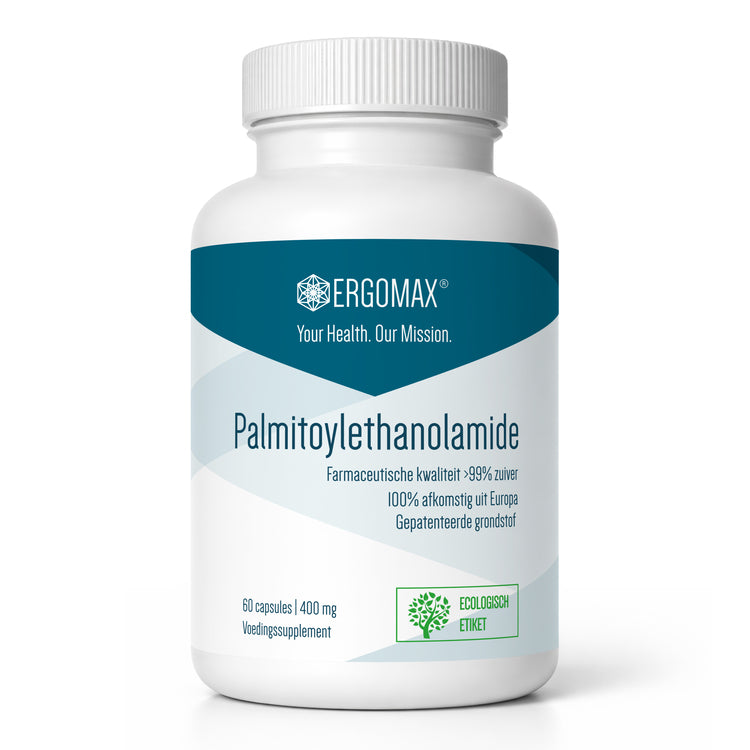
Palmitoylethanolamide (PEA) - OptiPEA® - 60 capsules
Sale price€29,95

Histamine Nutrients - 60 capsules
Sale price€69,95
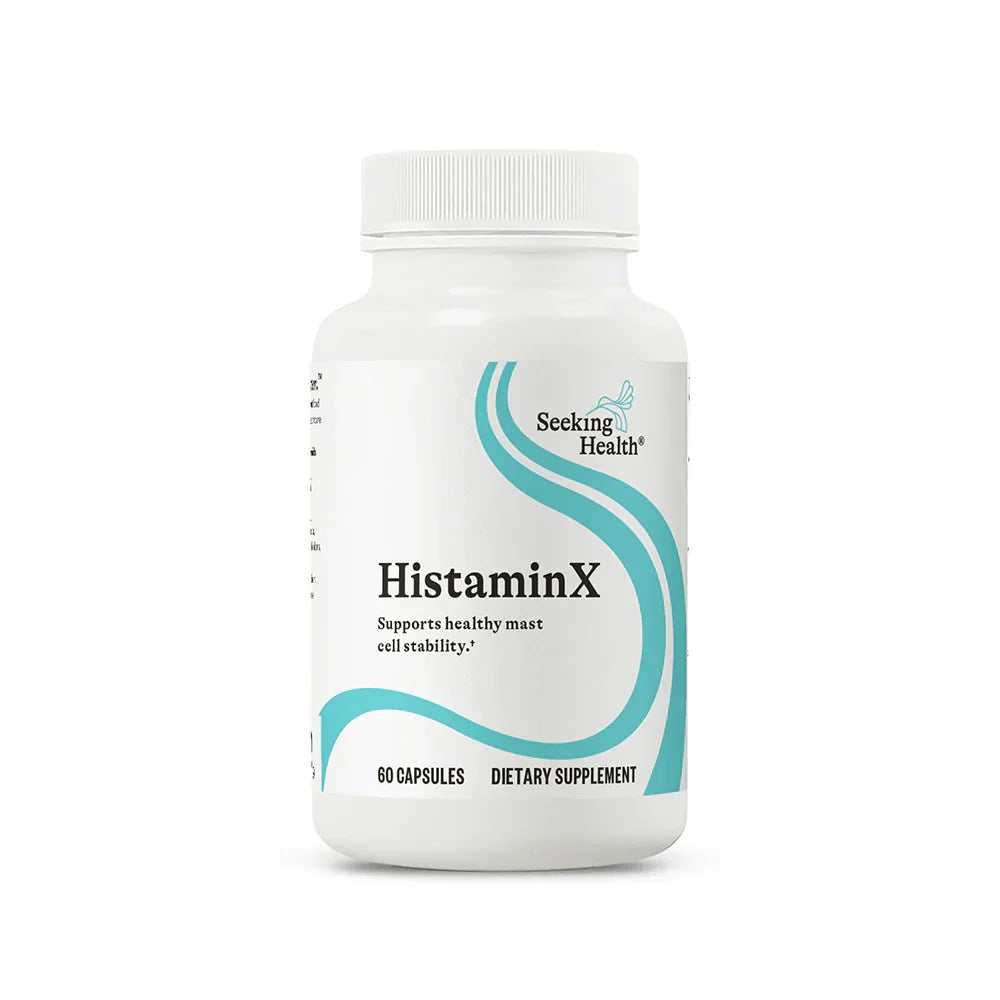
HistaminX - Enzyme & Flavonoid Formula - 60 capsules
Sale price€49,95
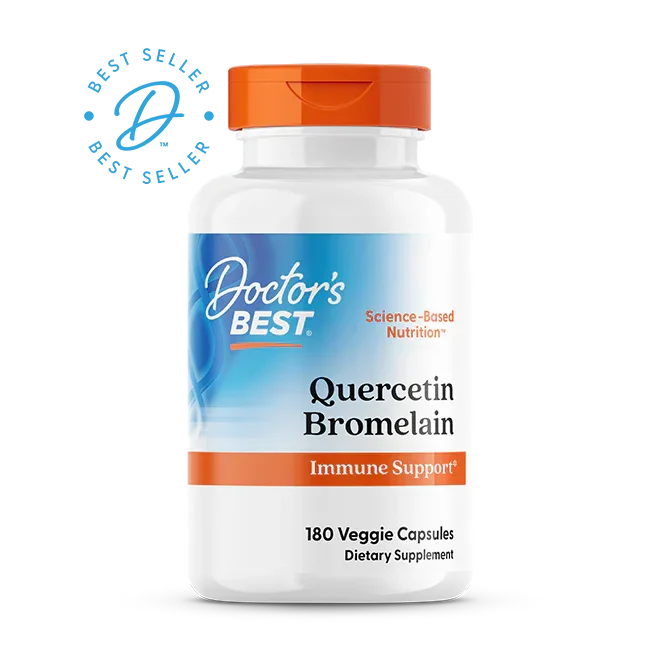
Quercetin Bromelain - 180 capsules
Sale price€40,95
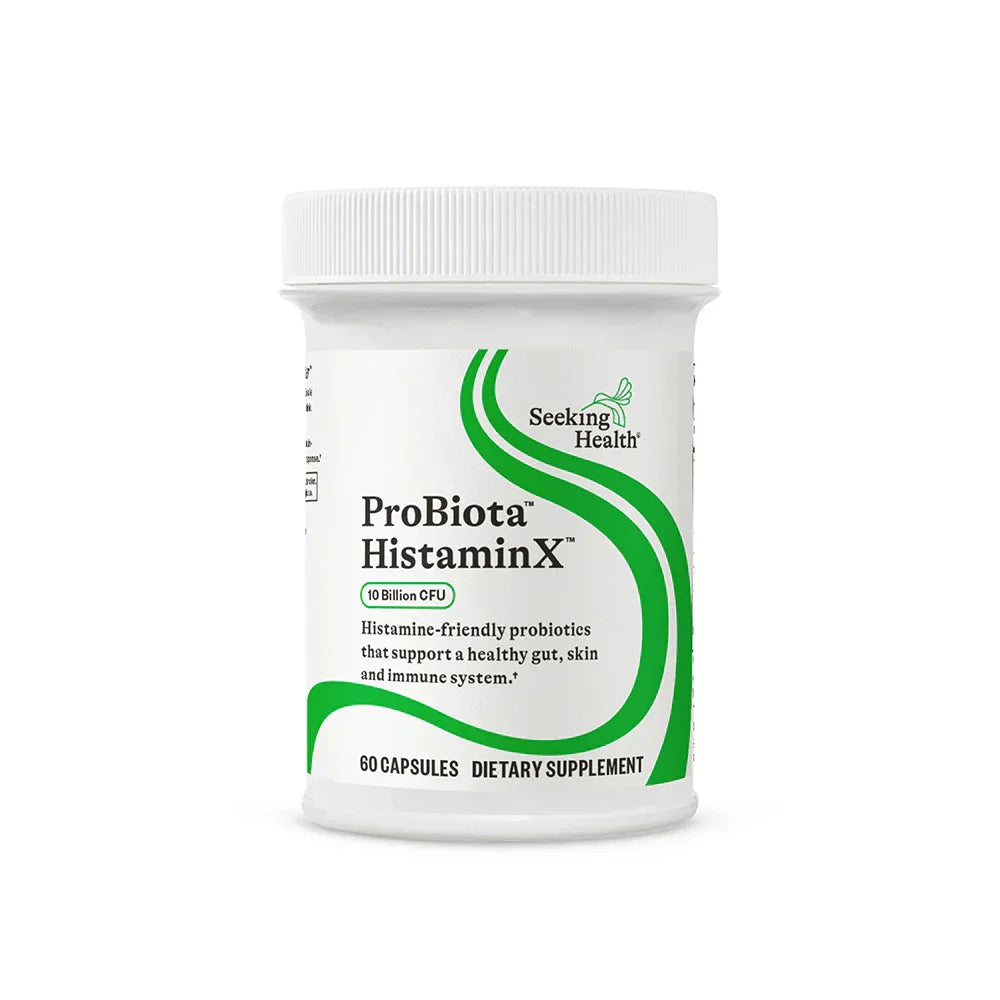
ProBiota HistaminX - 60 capsules
Sale price€44,95
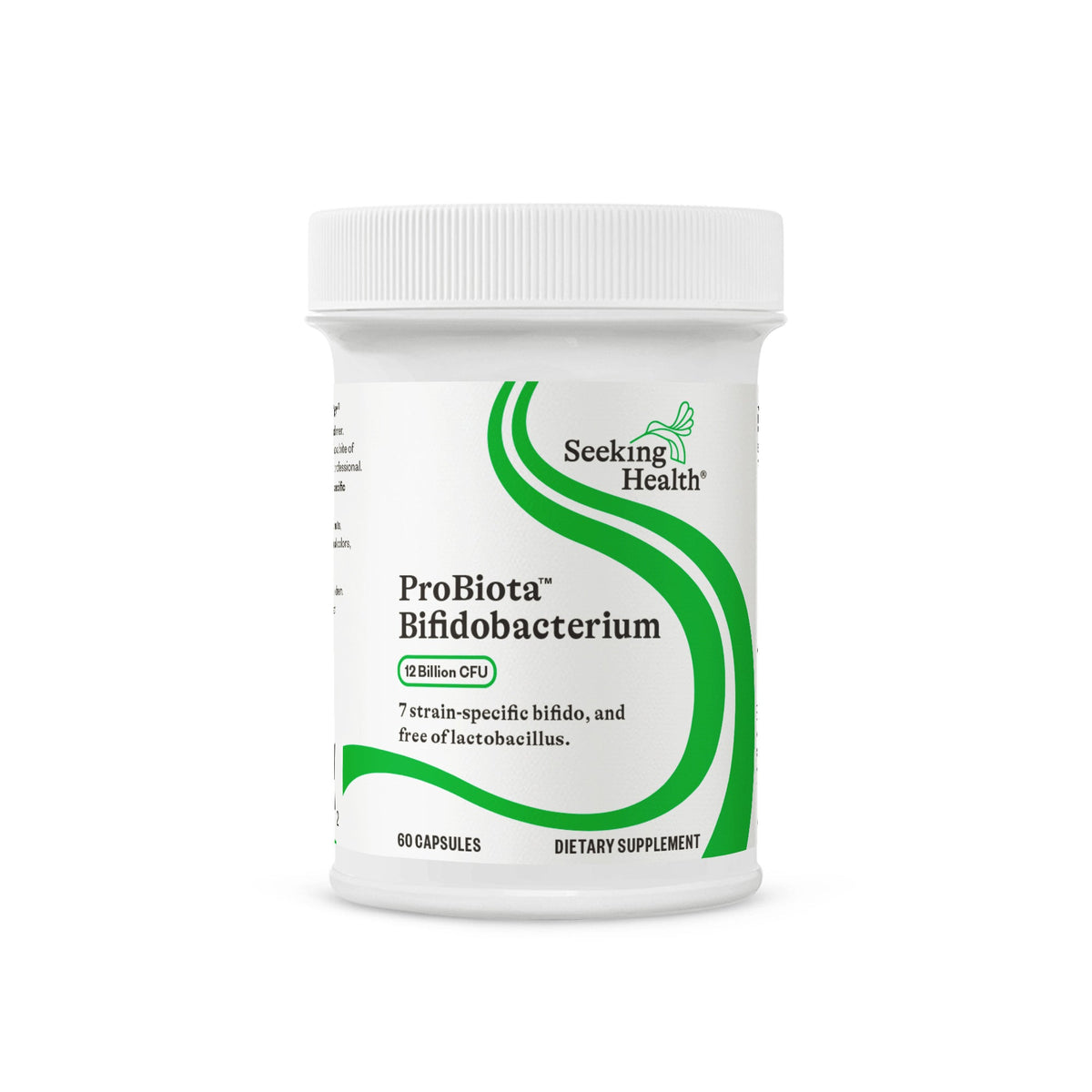
ProBiota Bifidobacterium - 12 Billion CFU - 60 capsules
Sale price€49,95