
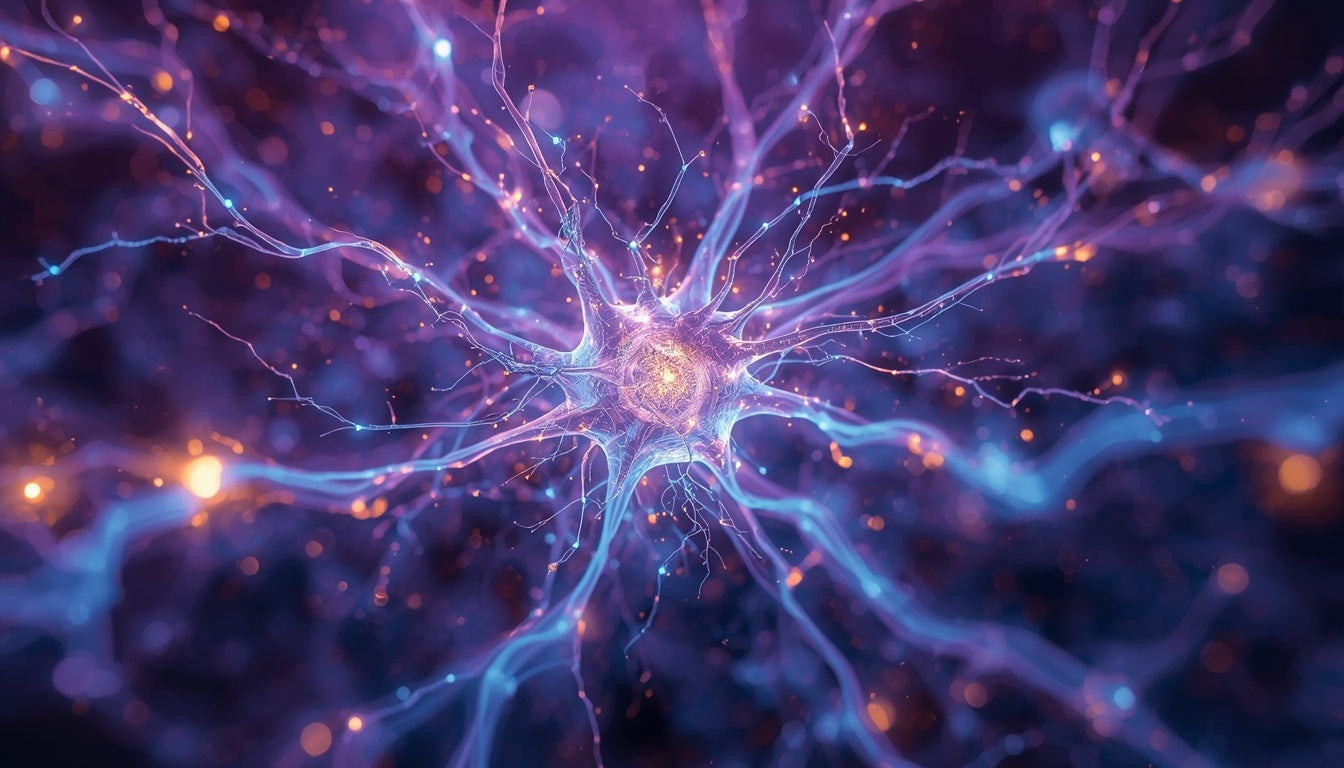
8 tips to improve your brain!
It is fascinating to see that the brain is malleable (plastic). Simple changes in your daily life can already have a major impact on the gray matter in your head and therefore on your quality of life. Below you can find 8 interesting brain-specific facts and tips that you can put to use right away.
Sleep deprivation
Lack of sleep is not good for you, everyone knows that, even though many people realize they are chronically short on sleep. A 30-minute nap can fortunately neutralize the hormonal effects of too little sleep that are linked to stress and the immune system.
Sitting
Sitting is the new smoking, you have probably heard that more than once in the past year. Too much sitting is associated with a wide range of physical problems that you would rather avoid. But did you also know that too much sitting affects your mental health? If you sit for more than 6 hours a day, symptoms of anxiety and depression are more common than when you sit only 3 hours a day.
Meditation
Meditation not only gives a feeling of calm and physical relaxation. An 8-week program also appears to have cognitive and psychological benefits. Not too long ago, it was first established that meditation can bring about major positive changes in brain structure. For example, the density of the cerebral cortex, hippocampus, and amygdala increased. This is associated with attention, emotional integration, self-awareness, compassion, and introspection. And all this with only about 30 minutes of practice per day!
Serotonin
As essential precursors of serotonin, L-tryptophan and 5-HTP are widely used to promote its production. Vitamin D3 appears to be essential in this conversion. The omega-3 fatty acids EPA and DHA influence serotonin dynamics in different ways in the brain. Serotonin therefore seems to be the missing link connecting vitamin D3 and omega-3 fatty acids. So don’t forget to sit in the sun regularly and enjoy a good piece of wild fish in the summer.
Evolution
About 3 million years ago, the brains of our ancestors began to grow enormously. By the time Homo sapiens emerged, the brain had grown from 350 grams to 1300 grams. How this happened was unclear for a long time, but the “expensive tissue hypothesis” seems to offer a logical explanation and is based on a trade-off between the shrinking of the digestive system and the growth of the brain. Cooking food seems to have been crucial in this process. Cooked food is softer and easier to digest than raw food.
Coffee
Coffee is a very complex beverage and perhaps the most widely used nootropic in the world. Besides caffeine, it contains hundreds, if not thousands, of active compounds that you could never isolate and study individually. The health effects of coffee therefore cannot be linked to a few molecules; rather, it is the synergistic whole that makes coffee so fascinating. Coffee drinkers are also often smokers, and this makes it very difficult to study the effects of coffee on health. More is not always better, so drink your coffee in moderation.
Creativity
EEG alpha waves are generally linked to creative ability, but creativity appears to decline as you get older. EGCG (epigallocatechin gallate) from green tea seems to increase alpha, beta, and theta activity in the brain. Since it also stimulates alpha waves, it is entirely possible that drinking green tea stimulates creativity.
Improve your sleep
From our range:


.%20Simple%20changes%20in%20your%20daily%20life%20can%20already%20have%20a%20major%20impact%20on%20the%20gray%20matter%20in%20your%20head%20and%20therefore%20on%20your%20quality%20of%20li...)