Plant-based versus animal proteins: which one suits you?
A healthy diet is all about the right balance of macronutrients, including protein. Proteins are crucial for muscle building, cell repair and various bodily processes. But what is the difference between plant and animal proteins, and which are better for your health?
What are proteins?
Proteins are made up of amino acids and form the building blocks of the body. They play an essential role in the production of muscles, enzymes, hormones and neurotransmitters. The body can produce some amino acids itself, but nine of them are essential and must be obtained through food.
Difference between plant and animal proteins
Animal proteins:
-
Contain all essential amino acids in the right proportions
-
Have a higher biological value and digestibility
-
Are rich in vitamin B12, iron and omega-3 fatty acids
-
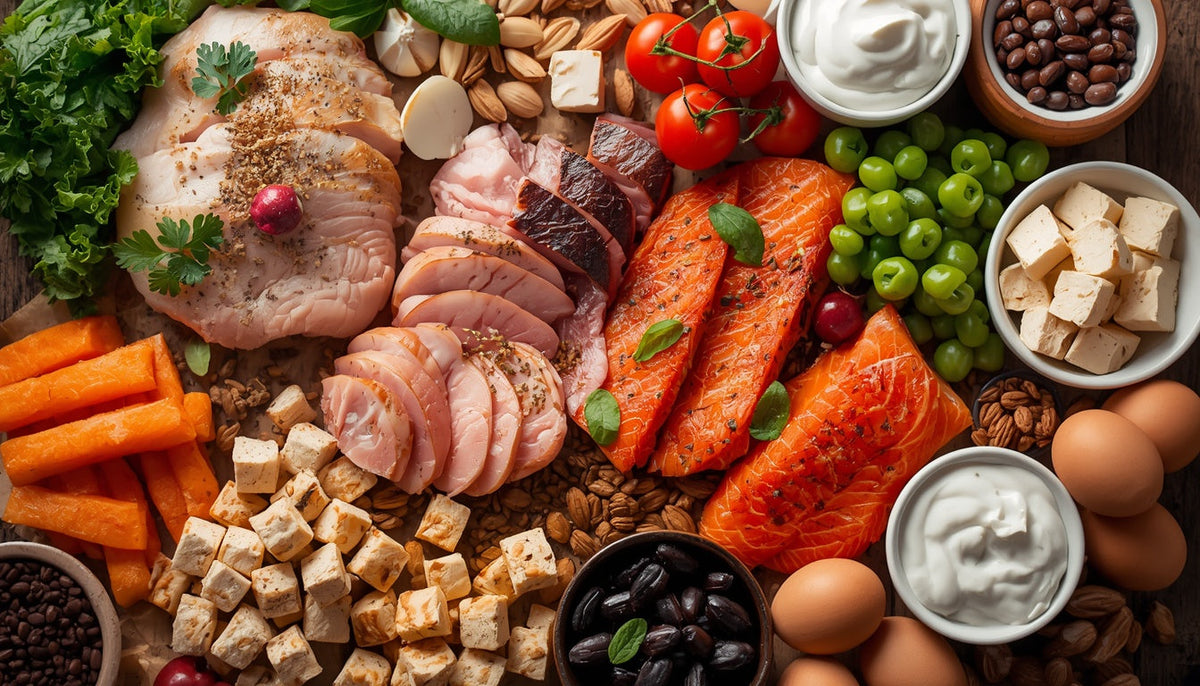
Found in meat, fish, dairy and eggs
Plant proteins:
-
Rich in fiber, antioxidants and phytonutrients
-
Usually not complete in amino acid composition (exception: quinoa and soy)
-
Found in legumes, nuts, seeds and grains
-
Easier to combine in a varied plant-based diet
Protein supplements
For those who need extra protein, various supplements are available:
-
Whey concentrate & isolate: High-quality animal proteins, quickly absorbed
-
Casein: Slowly digested, ideal for muscle recovery during sleep
-
Rice and pea protein: Good plant-based alternatives with a complete amino acid profile
-
Soy and quinoa protein: Complete plant protein sources with all essential amino acids
Which proteins are right for you?
The choice between animal and plant proteins depends on your dietary preferences and health goals. Athletes and older adults may benefit from high-quality animal proteins, while vegetarians and vegans may benefit from a varied plant-based diet with the right combinations.
Balanced protein intake is essential for a healthy body. Make sure you get enough essential amino acids, regardless of your dietary choice.