
Rest & Sleep supplements
In our current society, it is quite a challenge to maintain the balance between relaxation on the one hand and all the obligations of our existence on the other. Ensuring sufficient rest and sleep in your life is therefore essential to continue to feel good. Adults need an average of between 7 and 9 hours of sleep per night, but it can vary greatly from person to person, depending on your age and the phase of life or situation you are in. For example, you may need more sleep during busy times or after intensive sports. Sufficient rest and sleep moments are an important part of a healthy lifestyle.
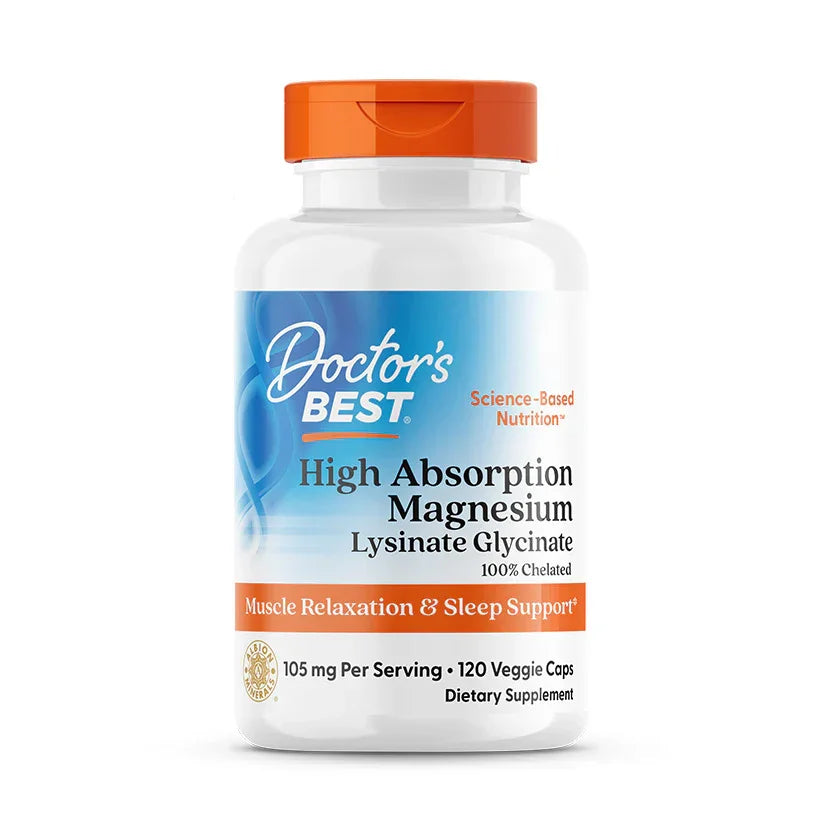
Magnesium Chelate - Albion® - 120 capsules
Sale price€29,95

Magnesium - Liposomal formulation - 100 capsules
Sale price€24,95
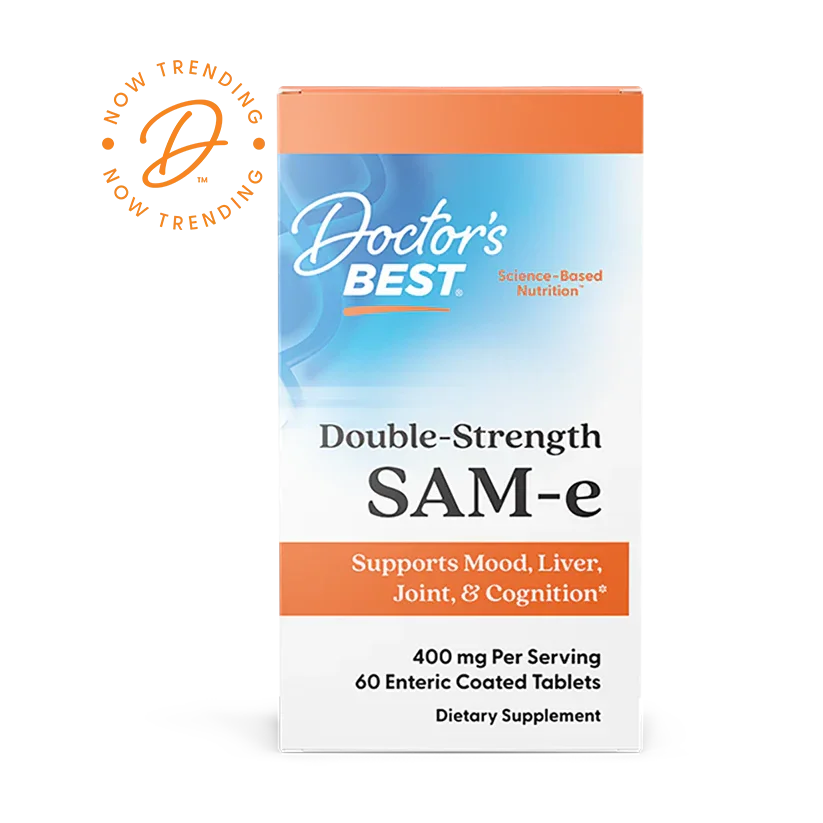
SAMe - Soloesse® - 60 tablets
Sale price€49,95
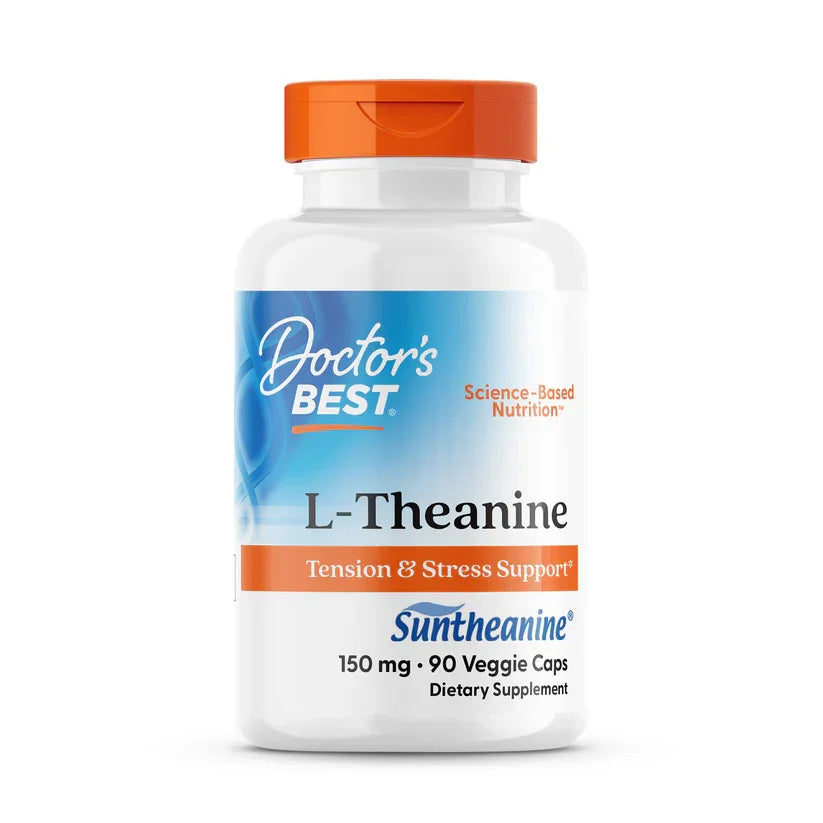
L-Theanine - Suntheanine® - 90 capsules
Sale price€26,95

5-HTP - Griffonia Simplicifolia - 60 capsules
Sale price€19,50
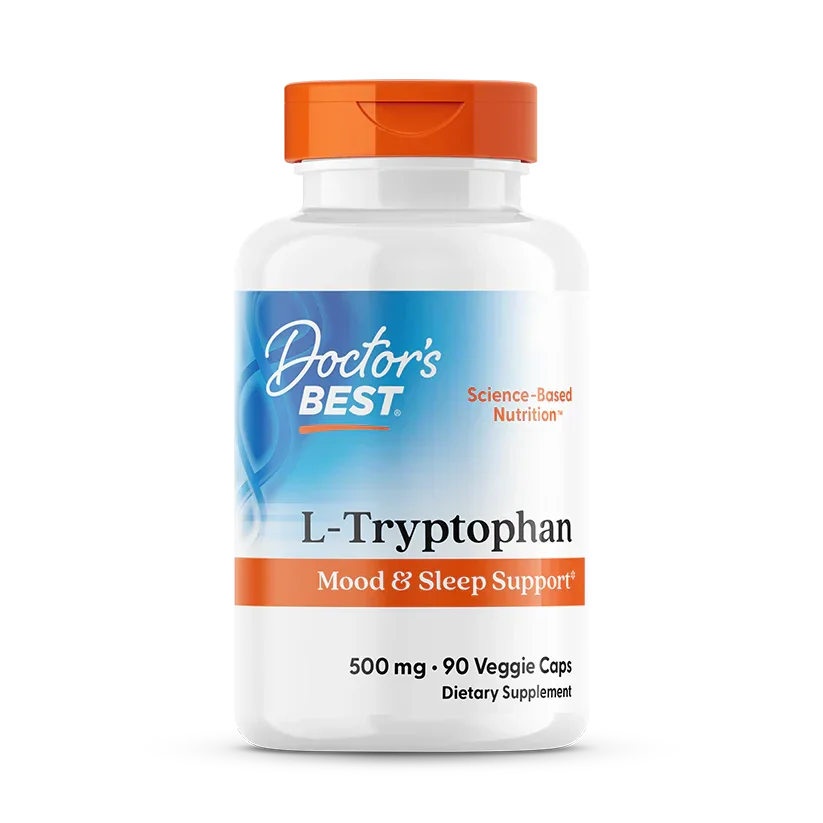
L-Tryptophan - TryptoPure® - 90 capsules
Sale price€24,95

N Acetylcysteine - Pharmazell - 80 capsules
Sale price€24,95
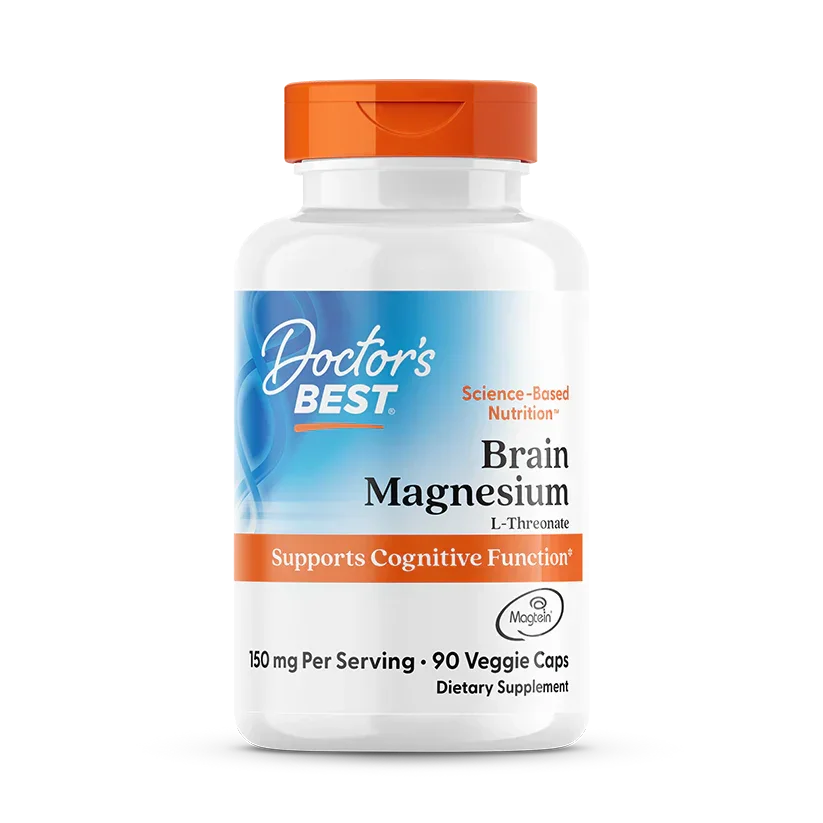
Magnesium L-threonate - Magtein® - 90 capsules
Sale price€52,95