
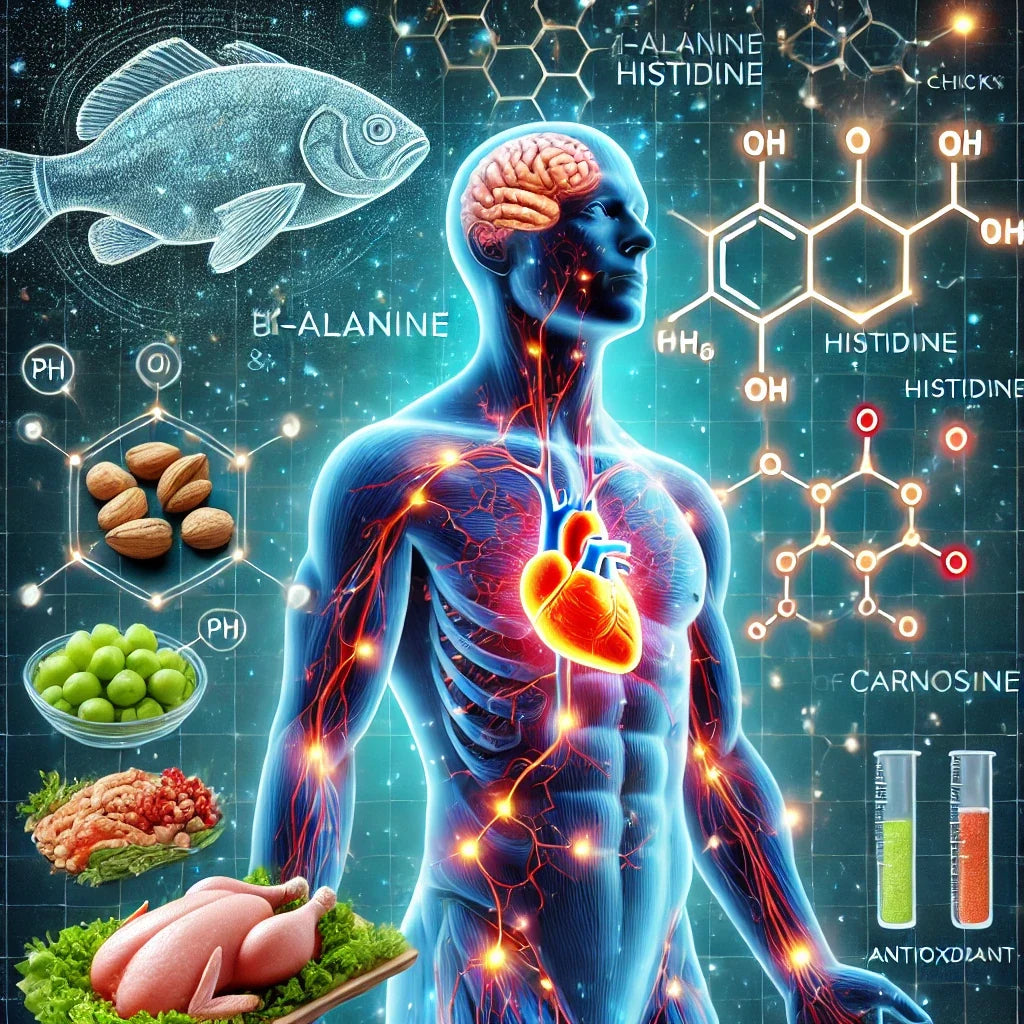
Carnosine: A natural protector for body and mind
Carnosine is a dipeptide consisting of the amino acids β-alanine and histidine, and is found in high concentrations in muscle and brain tissue. This powerful molecule plays a crucial role in various physiological processes. In this blog, you will discover what carnosine is, how it is produced, what functions it has, and how you can optimize its production with nutrition, supplements, and lifestyle choices.
What is carnosine and how is it produced?
Carnosine is synthesized in the body from the amino acids β-alanine and histidine, under the influence of the enzyme carnosine synthetase. Synthesis takes place mainly in tissues with a high energy requirement, such as muscles and the brain. In addition, the body can obtain carnosine directly from food, especially from animal products such as meat and fish. Vegetarians and vegans often have lower carnosine levels, since plant-based foods contain hardly any carnosine.

The role of carnosine in the body
Carnosine has several functions that contribute to good health:
-
Antioxidant activity: Protects cells and tissues against damage caused by free radicals and oxidative stress.
-
pH buffering: Regulates acidity in muscle cells, which is important for optimal muscle function and performance. As a result, carnosine helps reduce muscle acidification and delay muscle fatigue.
-
Protection against glycation: Inhibits the formation of Advanced Glycation End Products (AGEs), which are involved in aging and degenerative conditions.
-
Support for the immune system: Promotes a properly functioning immune system through its protective properties.
How do you optimize carnosine production?
1. Nutrition
Nutrition plays an essential role in carnosine synthesis. Foods rich in β-alanine and histidine can stimulate carnosine production:
-
Sources of β-alanine: Chicken, turkey, fish, and beef.
-
Sources of histidine: Soybeans, lentils, nuts, and seeds.
Even with a high-protein diet, it is difficult to obtain sufficient carnosine. For example, a 200-gram serving of beef contains only 250 mg of carnosine, while an optimal daily intake is between 500–3,500 mg. Herbs such as rosemary and sage contain carnosic acid, which may provide additional benefits.
2. Supplements
Supplements can help replenish carnosine levels, especially for people who eat few animal products. There are direct carnosine supplements and β-alanine supplements, which support the body's own carnosine production. Consult a healthcare professional for the correct dosage and suitability.
3. Lifestyle and activities
In addition to nutrition and supplements, lifestyle choices can influence carnosine production:
-
Regular exercise: Strength training in particular increases the concentration of carnosine in the muscles, which contributes to better performance and endurance.
-
Stress management: Chronic stress increases oxidative stress, which increases the need for antioxidants such as carnosine. Techniques such as meditation, yoga, and sufficient sleep can help reduce stress.
Conclusion
Carnosine is a versatile and essential substance for health. Through a diet rich in the right amino acids, possible supplementation, and an active lifestyle, you can optimize carnosine levels. Always consult an expert before making changes to your diet or supplement routine, so that these are aligned with your personal health needs.