What is Carnitine and Why is it Important?
Carnitine is a naturally occurring substance in the body that plays an essential role in energy production. It is often associated with fat metabolism and physical performance, but it has many other important functions as well. In this article, you'll discover what carnitine is, how it is produced, the role it plays in the body, and how you can optimize your carnitine levels through nutrition, supplements, and lifestyle choices.
https://vimeo.com/1064697909/72fa06206a
What is Carnitine and How is it Produced?
Carnitine is a compound that is primarily produced in the liver and kidneys from the amino acids lysine and methionine. This process requires adequate amounts of vitamin C, vitamin B3, vitamin B6, and iron. Once produced, carnitine is mainly stored in the muscles (including the heart), as well as in the brain and other tissues where energy production is essential.
Carnitine is found mainly in animal-based foods, such as:
- Lamb
- Beef steak
- Cod
- Chicken
- Cheese and milk
Plant-based foods contain little carnitine, although tempeh (fermented soybeans) and lentils provide modest amounts.
The Role of Carnitine in the Body
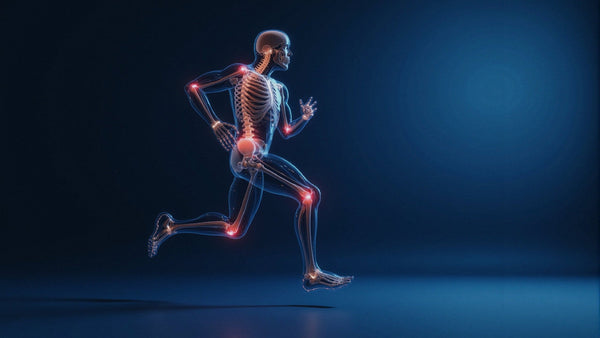
Carnitine plays a crucial role in energy production by helping transport fatty acids into the mitochondria (the powerhouses of the cells), where they are converted into usable energy. This process is especially important for organs with high energy demands, such as:
- Heart
- Liver
- Brain
- Muscles
- Immune system
Because of this function, carnitine is often referred to as a natural fat burner. It may help reduce muscle fatigue, support muscle recovery after exercise, and may also contribute to improved cognitive function and mental clarity.
Carnitine Supplements: What Types Are Available?
Increasing your carnitine intake through supplements may be beneficial during periods of increased energy demand, intensive athletic performance, or for specific health goals. It is recommended to consult a healthcare professional before adding supplements to your routine.
The most common forms of carnitine supplements are:

How Can You Optimize Your Carnitine Levels?
In addition to nutrition and supplementation, certain lifestyle choices can help maintain optimal carnitine levels:
- Regular physical activity: especially endurance training, increases the body's demand for carnitine and supports energy production.
- Getting enough sleep: contributes to recovery and a healthy energy balance.
- Managing stress: prolonged stress can negatively affect the absorption and synthesis of carnitine and other nutrients.
Conclusion
Carnitine is an important compound for maintaining a healthy energy metabolism. It supports fat metabolism, muscle function, heart health, and cognitive performance. A balanced diet, optionally combined with supplements and an active lifestyle, can help optimize your body's carnitine balance.
Would you like to know whether additional carnitine may be beneficial for you? Consult a qualified healthcare professional to determine what best suits your personal needs. Explore the range of high-quality carnitine supplements from Ergomax for more information.