Extensive information about krill oil from Ergomax
The omega-3 fatty acids essential for humans are only produced in small amounts in the body. Adequate intake from food is therefore very important. However, the typical Western diet contains very little omega-3, so the body does not get enough of these fatty acids. Supplementing with omega-3 fatty acids can compensate for these dietary deficiencies to meet the body's needs. Consider Ergomax krill oil.
Ergomax Krill Oil, a Unique Composition
- Contains only 3 ingredients (krill oil, fish gelatin and water)
- Pure, fair and sustainably sourced
- 100% natural sea product
- Encapsulated with unique Licaps capsules for optimal absorption
- No unpleasant fishy aftertaste or fish odor
A large proportion of available omega-3 dietary supplements contain omega-3 fatty acids from fish oil as their main ingredient. Until a few years ago, this was the best available form of omega-3 fatty acids. However, in recent years krill oil has rightfully gained popularity and is now seen as the better alternative to fish oil.
Krill Oil Has Several Major Advantages Over Fish Oil, Namely That It:
- Is better absorbed and utilized by the body
- Naturally contains a powerful antioxidant
- Has no fishy aftertaste
- Is produced sustainably and in an environmentally friendly way
- Contains no contaminants
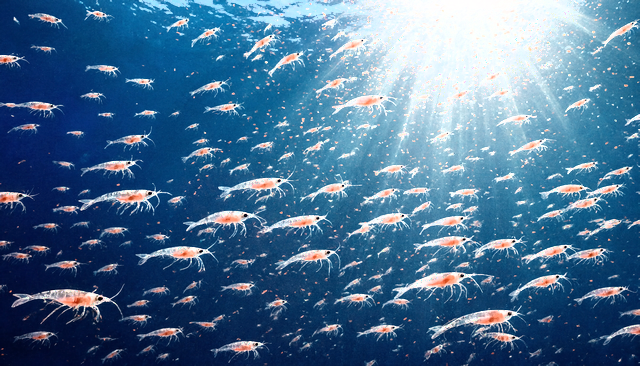
Krill oil is made from krill, small shrimp-like crustaceans that contain high concentrations of omega-3 fatty acids. Krill oil consists of a unique and complex combination of different active ingredients that all work together to increase the absorption of omega-3 fatty acids. The ingredient profile of krill oil surpasses that of fish oil and offers better results.
Krill Oil Versus Fish Oil
The omega-3 fatty acids in krill oil are not the same as the omega-3 fatty acids from fish oil. Unlike fish oil, krill oil mainly contains omega-3 fatty acids that are bound to phospholipids, also known as omega-3 phospholipids. The omega-3 fatty acids in fish oil mainly consist of omega-3 triglycerides. Because the omega-3 fatty acids in krill oil are bound to phospholipids, they are better absorbed than other forms of omega-3 fatty acids. This improves bio-efficiency and bio-activity, making krill oil a better choice.
The binding to phospholipids also ensures that the omega-3 fatty acids from krill oil are directly available to the body because, unlike omega-3 triglycerides, they do not need to be digested. A look at the different functions of phospholipids and triglycerides in the body gives a clear picture of the roles they play. Phospholipids are building blocks of cells while triglycerides are used in the body as energy. Phospholipids are also of great importance for the proper functioning of tissues and organs because they transport other molecules through the cell membranes, including omega-3 fatty acids.
Krill oil is a safe replacement for fish oil and its use does not cause unwanted side effects. The beneficial effects of krill oil on health surpass those of fish oil, even at lower dosages.
Astaxanthin
An important drawback of fish oil is its naturally low antioxidant content. Spoilage of fish oil is therefore a legitimate concern due to the possible presence of oxidized fats. Unlike fish oil, krill oil contains astaxanthin, a naturally occurring antioxidant in krill. Together with the phospholipids, astaxanthin ensures that the omega-3 fatty acids inside the capsule do not spoil. This ensures quality is maintained and extends the shelf life of krill oil to up to two years at room temperature.
Astaxanthin is a special antioxidant that is many times more powerful than vitamin E, vitamin C and CoQ10 (ORAC method).
Phosphatidylcholine
Another unique fact is that krill oil is very rich in phosphatidylcholine. This is the most common phospholipid in krill oil. Phosphatidylcholine is a precursor of the neurotransmitter acetylcholine, which is necessary for proper signal transmission between brain cells and for muscle control.
Free from Contamination
Krill is at the bottom of the food chain and is caught in the clean waters around Antarctica. Krill oil is therefore less susceptible to contaminants such as mercury, PCBs, heavy metals and other toxins.
Sustainable & Environmentally Friendly
Krill is a good example of a renewable food source. With its four hundred million tons, krill even belongs to the largest biomass in the ocean. Overfishing plays no role in the production of krill oil due to the large available quantities, catch quotas and the rapid regeneration capacity of krill. The catch quota is currently set at four million tons per year. Because special nets and fishing methods are used when catching krill, other ocean animals are spared.
Omega-3 Krill Oil - Information Part 2
The omega-3 fatty acids "Eicosapentaenoic acid" and "docosahexaenoic acid" better known as EPA and DHA are mainly found in food sources from the sea. Countless studies and articles are now available describing the effects of these special fatty acids.
Due to the generally low intake of omega-3 from food, omega-3 fatty acid dietary supplements rightfully belong among the basic products for many people. Too low an intake of omega-3 fatty acids can be an important missing factor for people pursuing an optimal and vital life. Due to the great media attention, the popularity of omega-3s has led people to quickly search for alternative sources, also partly due to overfishing. For a while, plant-based forms of omega-3 fatty acids such as flaxseed were popular, but these turned out not to have the same potency and effect as products of animal origin from the sea.
The Discovery of Krill
Fortunately, a few years ago it was found that the small shrimp "Krill" (which feed on algae) were also an excellent source of omega-3 fatty acids. This was quickly labeled as the "new generation" of omega-3 fatty acids. Like fish oil, krill oil also contains EPA and DHA but the molecular structure is different.
Simply put: fish oil contains a form of omega-3 fatty acids that look different under the microscope than krill oil.
Fish oil contains the triglyceride form of omega-3 and krill oil mainly the phospholipid form of omega-3. Below you can see the difference between the two forms; as immediately noticeable, the phospholipid form is different and more complex in structure.
In 2011 there was a publication that looked at whether the difference in structure between these two forms also had an effect on absorption and bio-activity. The authors of the study "Metabolic effects of krill oil are essentially similar to those of fish oil but at lower dose of EPA and DHA, in healthy volunteers" concluded that despite the fact that both fish oil and krill oil had the same effect in the body, these equal effects were achieved with lower dosing of krill oil than fish oil.
In short: krill oil does the same thing as fish oil but at a much lower dosage. Krill oil is approximately 60% more effective!
Why Is Krill Oil Better Absorbed? The Molecular Form!
Fish oil is a triglyceride molecule that must first be broken down in the digestive system into the basic fatty acids EPA and DHA; due to this breakdown, absorption is less efficient. It is estimated that approximately 80-85% of purified fish oil concentrates, as found in dietary supplements, are not absorbed after ingestion. This also immediately explains the unpleasant fishy burps that many people experience after taking fish oil.
Before the body can use the 15-20% of fatty acids that are absorbed, they must first be further processed by the liver after absorption into the bloodstream. In the liver, the substance phosphatidylcholine is attached to the fatty acid, thus converting the triglyceride omega-3 (fish oil) into a phospholipid omega-3 fatty acid via a detour. With krill oil, this conversion does not need to take place because krill oil directly provides the body with the well-absorbable form (omega-3 phospholipids). As a result, there are no absorption problems, so 100% of the omega-3s are absorbed.
Stability and Spoilage of Fish Oil
In the past, reports have regularly appeared showing that fish oil, including large and well-known brands, contained spoiled fish oil. Oxidized and spoiled oils are of course not good for the body and are associated with a range of health risk factors. Unsaturated fats such as omega-3 fatty acids are more susceptible to spoilage than saturated fats such as butter. Taking spoiled fish oil is therefore strongly discouraged and the effects are precisely the opposite of what you want to achieve.
To make the degree of oxidation of omega-3 fatty acids visible, the so-called peroxide value is measured. The peroxide value should always be lower than 5 meq/kg. If the fish oil product you are currently using does not have an analysis certificate on which you can read the peroxide value, you can always trust your nose. A strong fishy odor indicates spoilage. Unfortunately, manufacturers do everything to hide this, which is why lemon scent is often added to fish oil; if the fish oil has a sea breeze scent then it is often fine. So keep an eye on this!
According to German fish oil expert Rudi Moerck, most fish oil supplements on the market (up to 50%), even before opening the jar, are already spoiled.
Krill Oil Stays Fresh
Unlike fish oil, spoilage fortunately plays no role with krill oil, not only because of the structure with phospholipids, but also because of the natural and unique antioxidant in krill oil "astaxanthin". This double and natural protection of the vulnerable omega-3 oil even ensures that after 6 weeks at a constant temperature of 40 degrees no spoilage occurred in the capsule. The graph below shows a direct comparison between the spoilage of fish oil and krill oil done by the University of Helsinki.
Under less extreme conditions, the shelf life of krill oil is estimated to be up to two years at room temperature.
The Benefits of Complex Omega-3 Phospholipids
The solubility of krill oil and fish oil has been demonstrated in a direct comparison. During the test it was seen that the phospholipid-bound omega-3 fatty acids (krill oil) are well soluble in water while the omega-3 triglycerides (fish oil) remain floating on the surface because they are not bound to phospholipids.
Exactly the same happens in the stomach and the cause of unpleasant fishy burps after taking fish oil suddenly becomes much clearer.
Special Krill Oil Capsules at Ergomax
The krill oil from Ergomax is unique compared to other products because of its pure composition and the use of special capsules. The capsules, Licaps, consist only of fish gelatin and ensure an odorless seal of the oil. Standard krill oil softgels smell very unpleasant and many people therefore have a bad experience with krill oil.
In addition to the fish gelatin, the capsules naturally contain krill oil and water. This formulation therefore contains only three ingredients and is free from unnecessary additives and fillers.
The Exact Composition of Each Capsule Is As Follows:
- Omega-3 fatty acids – 125 mg
- Phospholipids – 225 mg
- Astaxanthin – 55 ug
The Phospholipid Composition Can Be Further Specified:
- Phosphatidylcholine 89%
- Lyso-phosphatidylcholine 6%
- Phosphatidylethanolamine 5%
- Phosphatidylinositol <0.1%
- Phosphatidylserine <0.1%
The Other Powers of Phospholipids
Phospholipids not only act as protectors of omega-3 fatty acids but they also have unique properties of their own. Krill oil mainly contains phosphatidylcholine as you can see above. Phosphatidylcholine is a main component of every cell membrane, but also the main supplier of choline in the body.
Choline is an essential nutrient and precursor of the neurotransmitter "acetylcholine". This also gives it a direct effect on the functioning of cell membranes in the brain and communication between cells.
Analyses show that the standard diet of today contains fewer phospholipids than our diet in the past. This evolutionary evidence is a reason for many people to take extra phospholipids daily.
Astaxanthin
Astaxanthin is a pigment and belongs to the group of nutrients known as carotenoids and has unique properties as an antioxidant at the cellular level that many other antioxidants do not have. It is specifically active in the cell membranes but also for example in the mitochondria, also known as the powerhouses of the cell. In the mitochondria, the antioxidant properties of astaxanthin are so strong that they make the mitochondria work harder and thereby increase energy production.
The human body does not produce astaxanthin itself, so intake through food or supplements is decisive. Astaxanthin is found almost exclusively in products from the sea such as natural krill shrimp but also for example lobster, algae and salmon.
Left Flamingo gray without astaxanthin / Right Flamingo pink due to astaxanthin
Astaxanthin is produced by algae, bacteria and fungi and accumulates in animals that are higher up in the food chain. Astaxanthin is recognizable by its deep red color and animals that consume a lot of astaxanthin also take on this color, think for example again of lobsters and shrimp but also flamingos (pink feathers).
In addition to the unique effect, the structure of the astaxanthin molecule is also unique because it contains, among other things, an oxygen molecule, but also the longer structure, the complex 3-dimensional shape, the specific bonds and the polarity of the molecule give astaxanthin its powerful antioxidant effect.
In Contrast to Other Antioxidants:
- Astaxanthin can "capture" more types of free radicals than any other antioxidant
- Astaxanthin has very high bio-activity and good distribution in the body because it can bind to a lipid-protein
- Astaxanthin never becomes a pro-oxidant, even at higher dosages
- Astaxanthin is many times more powerful than other antioxidants such as vitamin E and beta-carotene, see image below
Oxygen radical absorption capacity: This is a method to measure the antioxidant capacities of in vitro samples.
Sustainable & Environmentally Friendly
Krill shrimp are a good example of a renewable food source. With its four hundred million tons, krill even belongs to the largest biomass in the ocean. Overfishing plays no role in the production of krill oil due to the large available quantities, catch quotas and the rapid regeneration capacity of krill. The catch quota is currently set at four million tons per year. Because special nets and fishing methods are used when catching krill, other ocean animals are spared.
The krill oil from Ergomax is caught in accordance with the WWF World Wildlife Fund and Commission for the Conservation of Antarctic Marine Living Resources (CCAMLR).
Free from Contamination
Because krill is at the bottom of the food chain and is caught in the clean waters around Antarctica, it contains no significant contaminants such as mercury, PCBs, heavy metals and other toxins.