Super strong with the paleo diet
By: Toine Wilke, nutritional scientist, biochemist, and seaweed expert.
It is a movement in the food world whose foundations have become deeply rooted over the years. In contrast to most diets, the paleo diet is not a trend but a lasting way of eating that has existed for centuries. But what exactly is a paleo diet? And what can you do with it?
The paleo diet, also called the Paleolithic diet, primal diet, or hunter-gatherer diet, is based on the diet of human ancestors in the Paleolithic era. This is the period from 2.5 million years ago to 10,000 years ago.
During this period, before people lived in houses, they lived in and from nature. Our ancestors had no fixed home or place of residence and gathered their food every day. They ate what was available: sometimes there were lots of berries, another time it was mushroom season. Sometimes they were lucky and caught a large animal, such as a wild boar. They ate that on the same day, because they had no freezer to store it!
The paleo principle
The principle of the paleo diet is very simple: if you eat like our ancestors, your body becomes stronger. Early humans were incredibly strong, flexible, and athletic. There is also quite a bit of scientific evidence that they were almost never sick. Modern lifestyle diseases such as diabetes and cardiovascular disease hardly existed in prehistoric times. And honestly, have you ever heard of an overweight early human?
What to eat and what not to eat
With the paleo diet, you try to eat in a way similar to how our ancestors ate. That means you may and may not eat the following things:
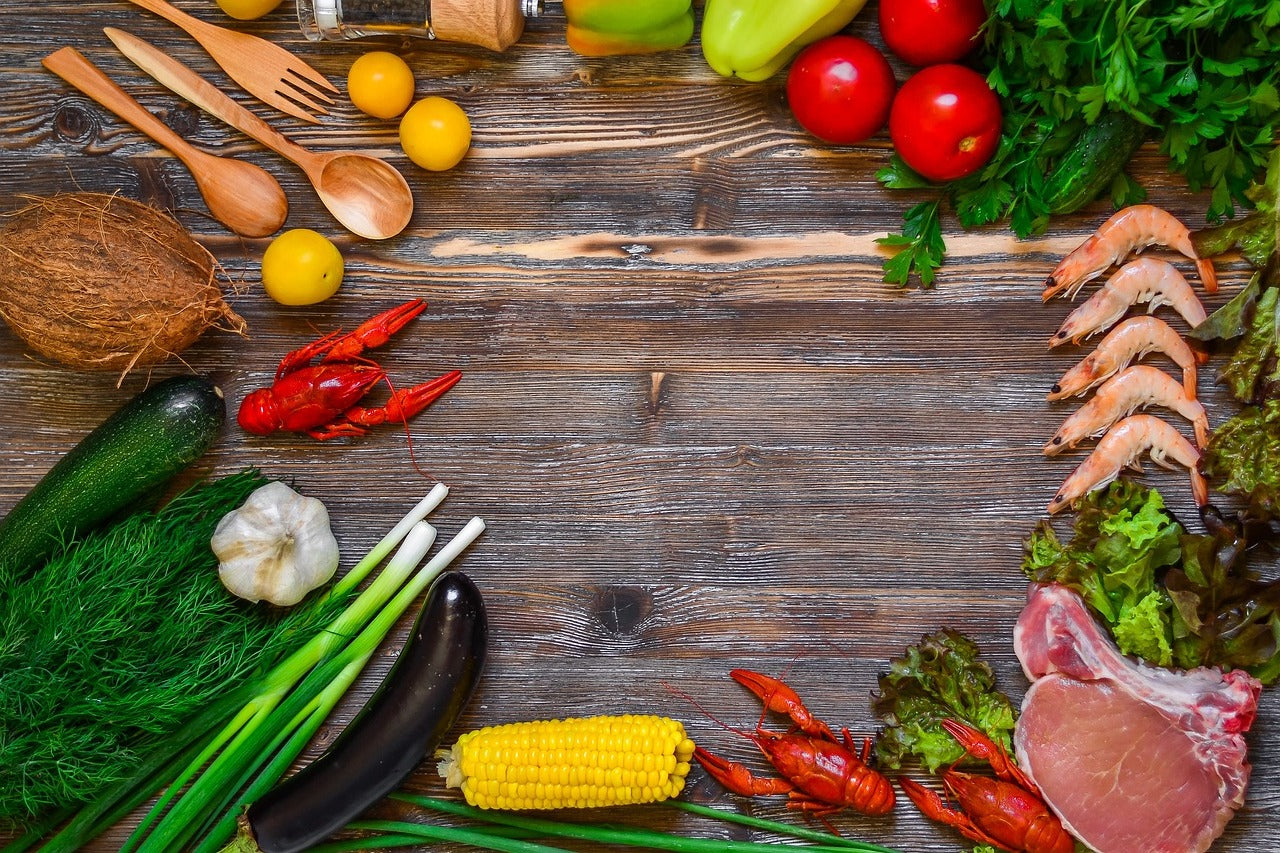
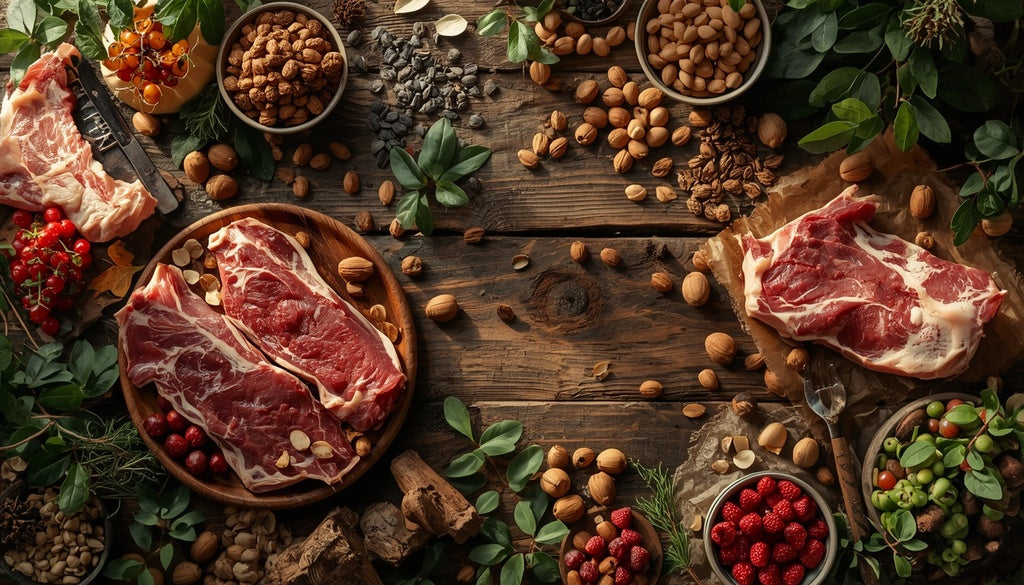
- Paleo: nuts, fruit, meat, fish, vegetables, eggs, seaweed
- Not paleo: dairy, grains, soy, and processed foods such as soft drinks, chips, and bread.
Increase your nutrient density!
What food does to your body and mind differs from person to person. It may work brilliantly for you, while your neighbor hardly notices a difference. Still, there are a number of substances that we do not get enough of in our normal Western diet, but that are sufficiently present in the paleo diet. These substances, including fiber, omega-3 fatty acids, and certain minerals, are known to be important for health. With the paleo diet, you can recover a bit of the health of an early human!
The wilder, the better
If you want to apply the paleo principle in your daily life, it is important to eat as much real, fresh, and local food as possible within the paleo framework. The focus is not on the details. Questions such as “Is broccoli paleo?” or “Did early humans eat liver sausage too?” are not really important in essence. Both products fit within the framework. Times have changed, just like food products, so don’t stress the details!
When you emphasize organic and as wild as possible, you optimize your nutrient intake. Products produced with modern agricultural techniques are less ideal. Getting food from nature is also fun and free.
Take dandelion leaf, for example: it is especially nutritious and grows everywhere. This “weed” contains not only inulin, a prebiotic fiber, but also many vitamins and minerals. Young dandelion leaves are tasty in salads, suitable for smoothies, or a healthy addition to mashed dishes. There are many more examples besides dandelion leaf. Look into it, and a whole new world will open up for you.
Wake up the early human in you
There are people who live as full-fledged early humans: they live in nature and eat all their paleo food raw. But to follow the paleo diet, you do not have to go that far. In principle, you only need to replace your non-paleo food with paleo food, and you are already there. It is also fun to experiment with ancestral foods and recipes: try eating some organ meat or raw shellfish, or buy a freshly caught mackerel at the fish auction, place it in a marinade of organic honey, put it in the oven for a moment, and serve it on a bed of freshly picked seaweed. Doesn’t that make you feel wild?