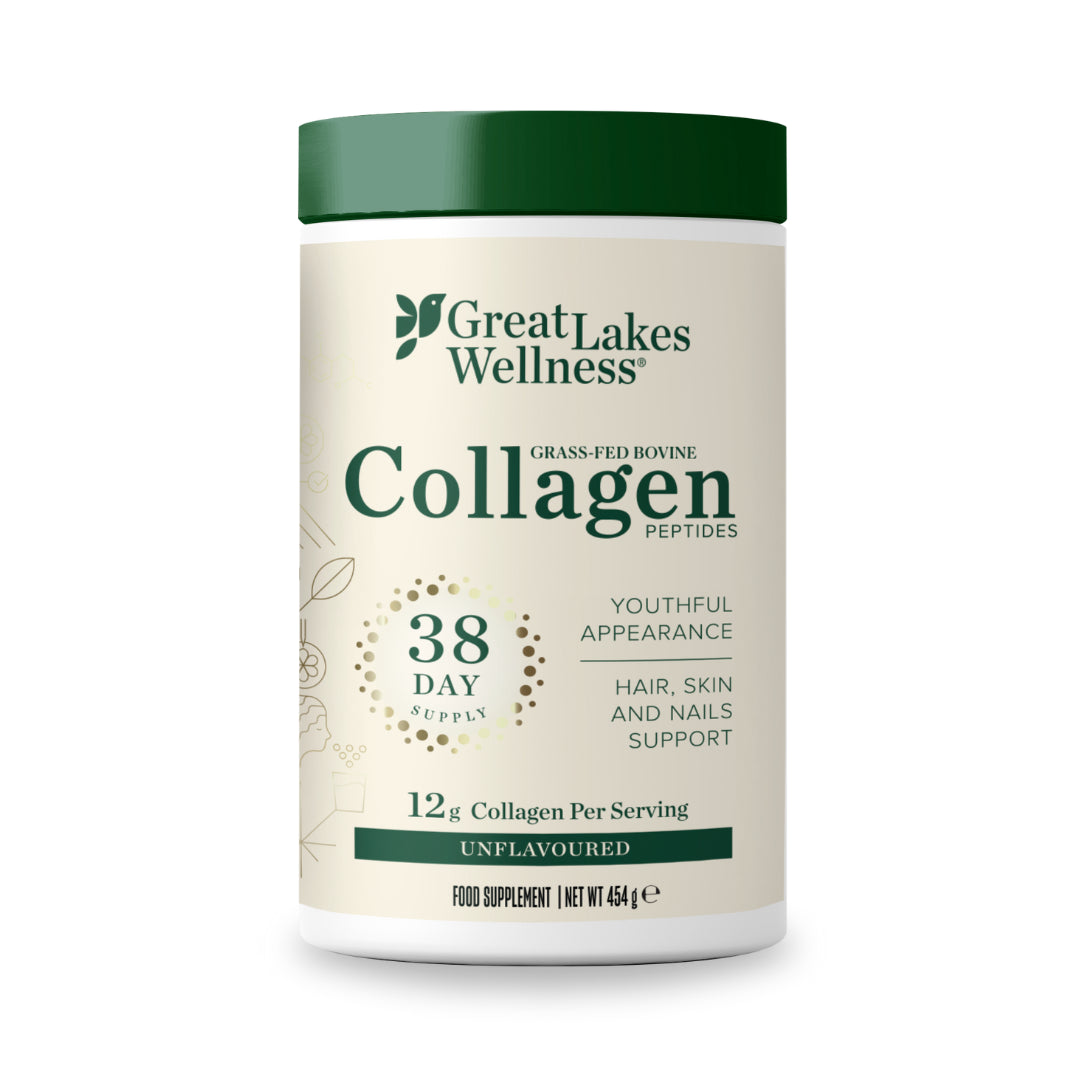
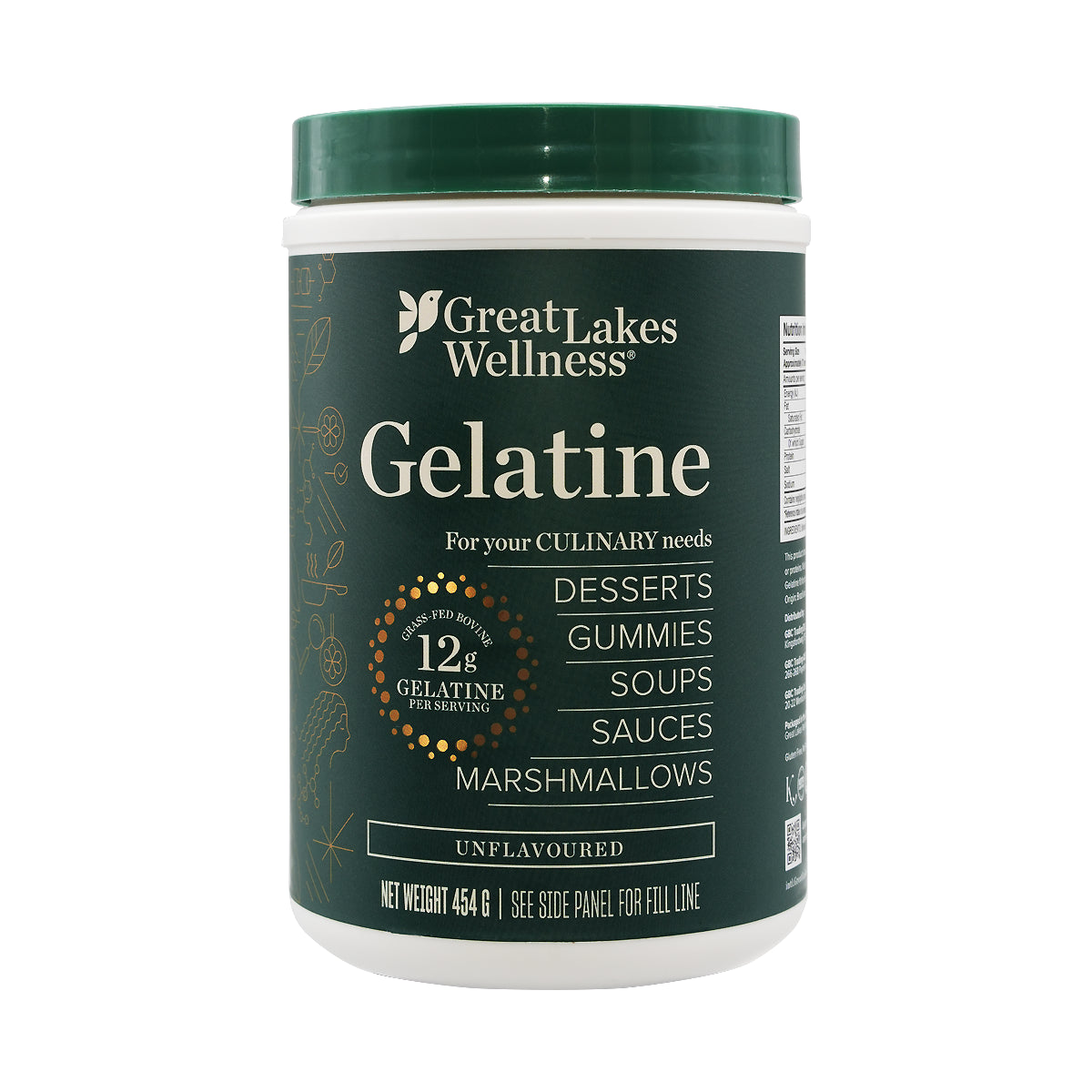
Great Lakes collagen hydrolysate supplements
Great Lakes is known for producing high-quality collagen hydrolysate supplements made from grass-fed cattle. The brand focuses on purity, sourcing transparency, and carefully controlled production processes. Great Lakes collagen products are made without unnecessary additives and are selected by those looking for clean, collagen-based protein supplements for everyday use.
What is collagen hydrolysate?
Collagen hydrolysate is a form of collagen that has been processed into smaller protein fragments, resulting in a fine powder that dissolves easily in both cold and warm liquids. This format is commonly used as a practical protein supplement that can be easily added to drinks such as water, coffee or smoothies.
Collagen hydrolysate vs gelatin
Collagen hydrolysate and gelatin are both derived from collagen, but they are typically used in different ways. Gelatin is mainly used in cooking and recipes where a gelling effect is needed, while collagen hydrolysate remains liquid when mixed with liquids. For this reason, collagen hydrolysate is often preferred as a supplement format that can be easily incorporated into drinks.
Quality and sourcing
Great Lakes collagen hydrolysate is sourced from grass-fed pasture-raised cattle and produced with close attention to quality and origin. The product contains a single ingredient and is free from unnecessary additives. This focus on purity and sourcing has been central to the brand’s reputation for decades.
Frequently Asked Questions About Great Lakes
Is Great Lakes collagen hydrolysate suitable for daily use?
Yes, Great Lakes collagen hydrolysate is generally intended for daily use according to the instructions on the product packaging.
How is collagen hydrolysate usually used?
Collagen hydrolysate is typically mixed with cold or hot liquids, such as water, coffee, or smoothies, depending on personal preference.
Is collagen hydrolysate the same as gelatin?
No. Although both are derived from collagen, collagen hydrolysate dissolves easily in liquids without forming a gel, while gelatin is mainly used in cooking and in recipes where a gel-like texture is required.